What is acrylic (PMMA)?
Let's look at some of the common names:
Acrylic glass (organic glass) is an acrylic resin. It is a clear plastic that can be coloured and tinted.
Other names: Plexiglas, Acrylite, Acrima, polymethyl methacrylate, acrylic glass. Most of these names come from popular brands.
Polymethyl methacrylate is the full and most correct name for acrylic glass
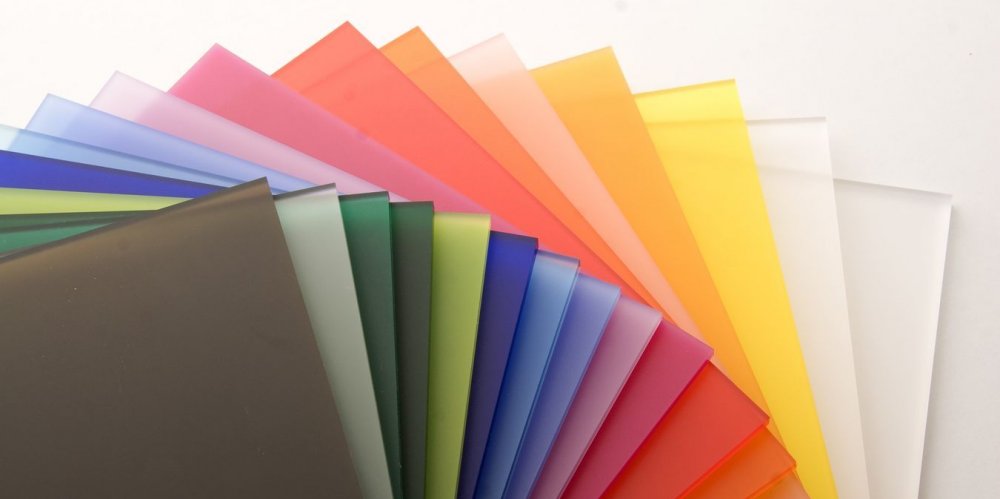
There are two production methods:
Casting or extrusion; the resulting sheets are called "cast" and "extruded" acrylic. They look identical and have similar basic properties and technical characteristics, but they do differ from each other. It is important to know which of these methods was used to make the material in order to understand how it will behave during processing and under specific conditions of use.
1. Extrusion: the molten material is pushed out through a die (high molecular weight).
2. Casting (cell casting): the resin is poured between flat glass plates and left to harden (low molecular weight).
Extruded acrylic is stronger than cast acrylic, easier to process and polish, has better chemical and impact resistance, withstands higher thermal loads and is easier to form, with better results.
Compared with cast acrylic, extruded acrylic comes in fewer sheet thicknesses (determined by the capabilities of the extruder), but longer sheets are possible. The thickness tolerance is much tighter (only 5 % instead of 30 % for cast acrylic).
By type of sheet, acrylic can be:
- clear;
- tinted clear;
- frosted;
- solid-coloured;
- textured;
- fluorescent.
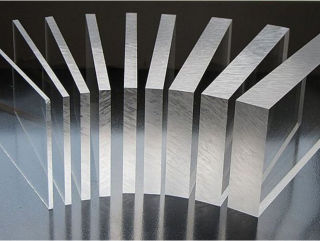
Clear acrylic
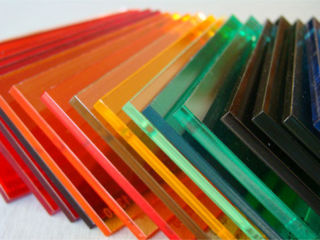
Coloured acrylic
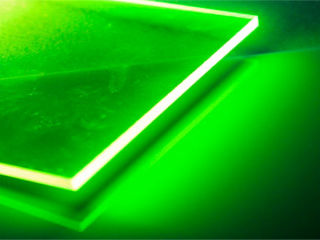
Fluorescent acrylic
Technical characteristics of acrylic at 20°C
| Property | Value |
| Density | 1100–1200 kg/m3 |
| Service temperature | -60 to 100°C |
| Thermal conductivity | 0.19–0.3 W/(m·K) |
| Coefficient of linear expansion | 7·10-5…9·10-5 |
| Softening point | 90–133°C |
| Frost resistance | -50°C |
| Linear shrinkage | 3.5–5% |
| Impact strength | 7.8–13 kJ/m2 |
| Breaking strength | 61.7–70 MPa |
| Tensile strength | 40 MPa |
| Compressive strength | 70 MPa |
| Flexural strength | 140 MPa |
| Light transmission | over 88% |
Advantages of acrylic:
- Lightweight – 2.5 times lighter than ordinary glass (1.19 g/cm³).
- Strength – 5 times stronger than glass.
- Light transmission – transmits up to 93% of visible light.
- Environmentally friendly – easily recycled and releases no toxic substances.
- Moisture resistance.
- Safety – minimal risk of injury from fragments.
- Practicality – easy and convenient to work with.
- Durability – retains its properties for more than 15 years.
- Temperature resistance – can be used at temperatures down to -50°C.
Disadvantages of acrylic:
- highly flammable;
- reacts to alcohol (ethanol, methanol);
- prone to chipping;
- scratches easily;
- may crack at bends.
Where acrylic is used:
- Construction: façade elements, interior partitions, glazing, interior décor, greenhouses, barriers.
- Advertising agencies: signs, information boards, sign plates, name badges, cloakroom number tags, light boxes
- Retail: price tag holders, product stands, protective screens for checkouts, air conditioner deflectors, product containers, protective covers
- Many other fields: spectacle lenses, aquariums, souvenirs, etc.
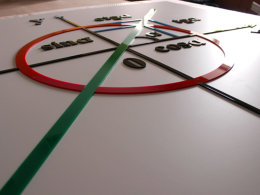
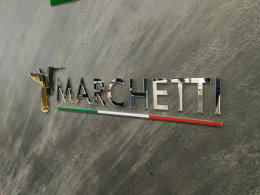
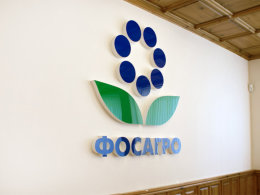
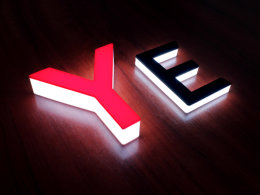
Examples of finished acrylic products:





-
![About us]() About us
About us
-
![Contacts]() Contacts
Contacts
-
![Payment]() Payment
Payment
-
![DELIVERY]() DELIVERY
DELIVERY
-
![Gallery]() Gallery
Gallery
-
![For designers]() For designers
For designers
-
![Print-ready artwork requirements]() Print-ready artwork requirements
Print-ready artwork requirements
-
![Aluminium composite colour range]() Aluminium composite colour range
Aluminium composite colour range
-
![Chipboard colour palette in stock]() Chipboard colour palette in stock
Chipboard colour palette in stock
-
![Artwork approval rules]() Artwork approval rules
Artwork approval rules
-
![LED neon colours]() LED neon colours
LED neon colours
-
![Artwork design]() Artwork design
Artwork design
-
![RAL colour chart]() RAL colour chart
RAL colour chart
-
![Pantone colour chart]() Pantone colour chart
Pantone colour chart
-
![Series 641 – economy]() Series 641 – economy
Series 641 – economy
-
![Altuglas coloured acrylic palette]() Altuglas coloured acrylic palette
Altuglas coloured acrylic palette
-
![Two-layer plastic colour palette]() Two-layer plastic colour palette
Two-layer plastic colour palette
-
![Useful articles about advertising]() Useful articles about advertising
Useful articles about advertising
-
 About us
  Company documents
  Contacts
  Payment
  DELIVERY
  Gallery
  For designers
  Print-ready artwork requirements
  Aluminium composite colour range
  Chipboard colour palette in stock
  Artwork approval rules
  LED neon colours
  Artwork design
  RAL colour chart
  Pantone colour chart
  Series 641 – economy
  Altuglas coloured acrylic palette
  Two-layer plastic colour palette
  Useful articles about advertising