A short guide to visual merchandising from RVK Tashuta

Running a successful business takes a whole strategy, and to follow it you need to combine the skills of a marketer, an economist, a psychologist and… a visual merchandiser.
Demand for this profession has been growing, by the way. In today's fiercely competitive market, the design of retail space – exactly what window dressers do – is one of the main levers for promoting a business.
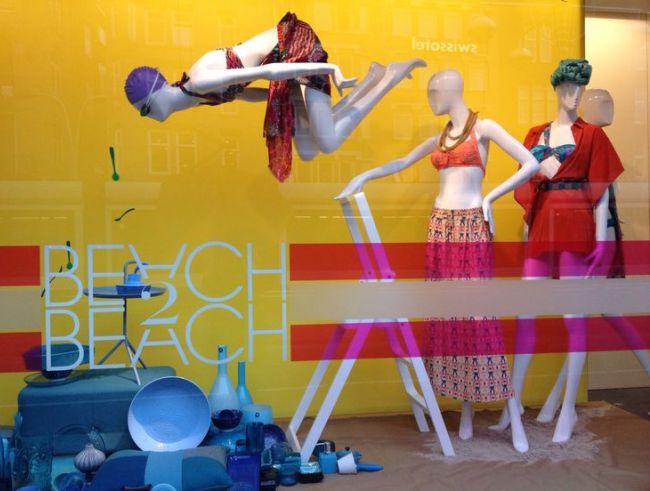
So how can you master the art of window display yourself?
First of all, aim to make the most of the space your shop, café or other venue occupies – rationally and with taste. And that includes the windows! They let you not only announce yourself and show off your products, but also make contact with future customers.
Just imagine that your window is the cover of a book you want lots of people to read. Naturally, the cover must be not only bright but also out of the ordinary and eye-catching, making people want to open the book and read it to the end.
So a shop window is, in a sense, your visual appeal to the customer's wants and needs. By combining an understanding of customer psychology with design knowledge and practical skills, you can turn an ordinary window into one that sells, on the principle: “See the window – want to walk through the door!”
The tips below from the RVK Tashuta team are here to help you do just that!
Preparation: identifying the starting points
To make sure your finished window displays really draw people in, you need to be clear about a few important things.
- Which of your products or services should play the “visual” role?
| Visually appealing products (for example, branded clothing) make an excellent basis for this kind of display. In other cases, these may be the products you want to put the spotlight on. But! If the strong point of your products is practicality rather than looks, focus not on their aesthetics but on their technical characteristics, turning them into obvious advantages and benefits. The whole window display should then revolve around this and inform passers-by by every means available. Make use of banners, sign plates, price tags and other advertising media, which you can also order from us. |
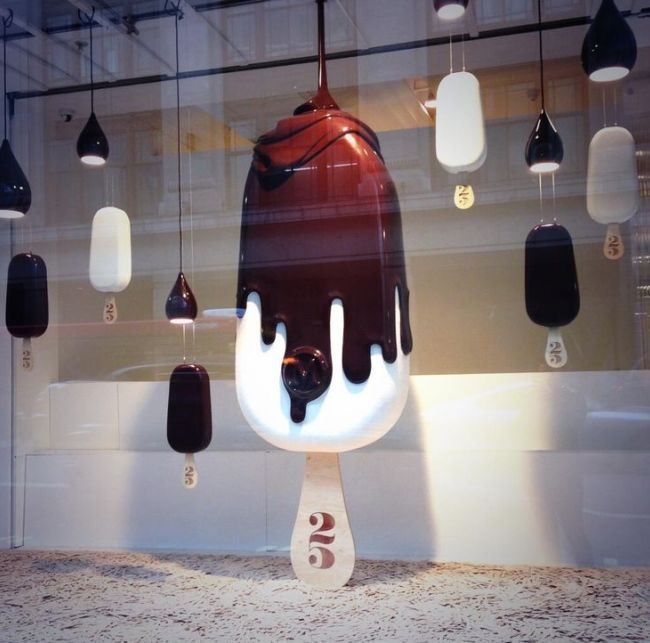
- Define your target audience.
…And play on its aesthetic preferences and gender values. Starting from these, it will be easier to develop a concept for your window display, including its colour scheme.
For example, women are drawn to romantic floral décor and sparkling crystals. Shops selling men's products have a different focus. For services and products aimed at both men and women, it is easy to play on neutrality and universality. You just need to find the happy medium that sets a positive mood – something everyday life so often lacks.
- Assess where your premises are in relation to the street.
How wide is the street? How easily will the display be seen, and from where? After all, the saying “some things are best seen from a distance” can be taken literally as well as figuratively. If the street is narrow, there is little point in ordering huge props for the window: they will not make the right impression anyway.
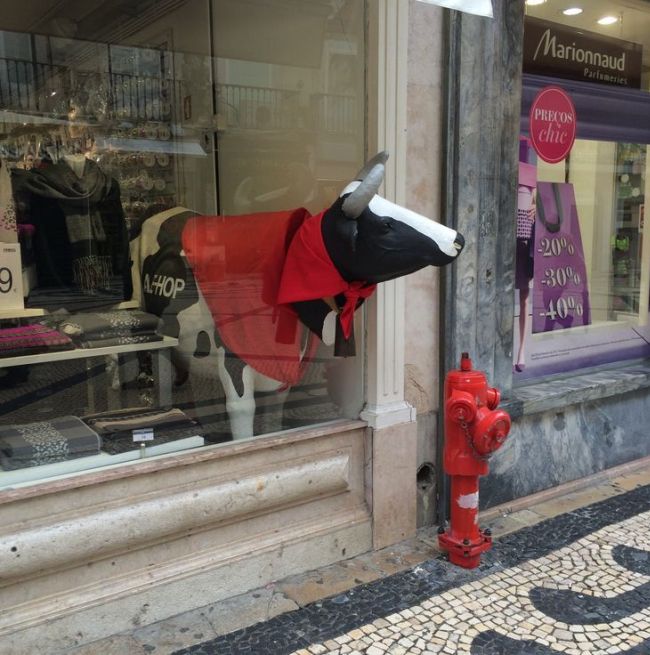
Next step: choosing a concept for your window display
…And getting your advertising message across. Visual merchandising professionals generally distinguish three types of window display by purpose:
- Sale displays (bright, bold colours such as red work well).
- Product displays (practical and simple; they tell people about products in stock and new additions to the range, while giving you a chance to stand out from competitors with an interesting design).
- Emotional displays (far from simple and less practical than product displays, as they are designed to create a “wow effect”. The aim is an ambitious presentation of unique, breathtaking products – in the fashion industry, for example. They require significant investment, as they very often include specially created art pieces).
By type of construction:
- Closed (the sales floor cannot be seen from the street; suitable for small retail spaces, and it is easy to play on the contrast of background and lighting).
- Open (best suited to large retail spaces with a wide variety of products, giving you yet another way to draw customers in).
Rules for creating a display
In other words, choose props that create an inspiring backdrop and a sense of being there. For food products, for example, set up a picnic scene with baskets and a blanket. Stick to one style and keep colours and proportions in harmony. That said, a samovar against the backdrop of the Eiffel Tower would look absurd – but funny.
|
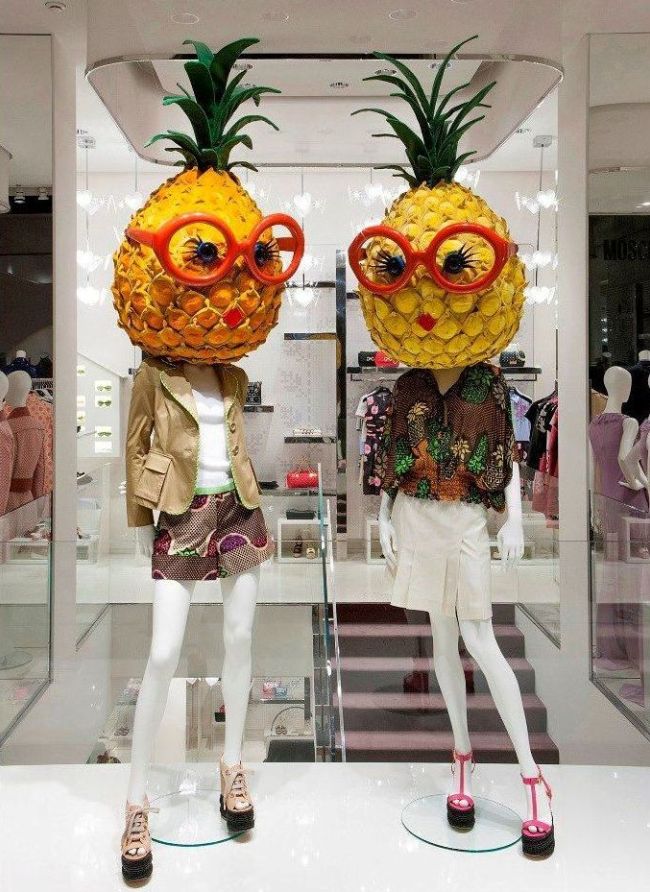
And finally, advice from the professionals!
- Don't try to cram your window with so many decorative elements that it dazzles the eye, on the principle of “the more the better”. A display like that won't win customers over – it will put them off.
- Don't neglect updating your displays and the information about your products and services. Run promotions and try to refresh your range and props as often as possible. It is very easy to stop being interesting to customers – and your competitors are always ready.
- Keep your window clean and tidy. Neatness also adds to your business image.
- Mark out the centre of the display with a particular product or prop, leaving space around it. Don't squeeze items together into one mass.
- Know how to highlight what matters! Play with light and shadow and with colour contrasts. Don't forget humour and positivity. A touch of humour in your window display will put your customers in a good mood and make their visit more carefree. Photograph your finished window displays! That way you will remember how you improved and corrected mistakes. Listen to what people say, and ask yourself, figuratively speaking, how many stars each display deserves.
Brand stores never skimp on window design, which not only builds their image but also drives sales – both planned and impulse purchases.
That is why RVK Tashuta offers you its services, backed by extensive experience in this field (see the “Shop window design” section). This can be either “window design with coloured films” or “window design with full-colour printing”.
If you need banners, A-boards, posters, printed products or other advertising equipment, get in touch with us too! We will suggest a solution and make it as quickly as possible!



-
![About us]() About us
About us
-
![Contacts]() Contacts
Contacts
-
![Payment]() Payment
Payment
-
![DELIVERY]() DELIVERY
DELIVERY
-
![Gallery]() Gallery
Gallery
-
![For designers]() For designers
For designers
-
![Print-ready artwork requirements]() Print-ready artwork requirements
Print-ready artwork requirements
-
![Aluminium composite colour range]() Aluminium composite colour range
Aluminium composite colour range
-
![Chipboard colour palette in stock]() Chipboard colour palette in stock
Chipboard colour palette in stock
-
![Artwork approval rules]() Artwork approval rules
Artwork approval rules
-
![LED neon colours]() LED neon colours
LED neon colours
-
![Artwork design]() Artwork design
Artwork design
-
![RAL colour chart]() RAL colour chart
RAL colour chart
-
![Pantone colour chart]() Pantone colour chart
Pantone colour chart
-
![Series 641 – economy]() Series 641 – economy
Series 641 – economy
-
![Altuglas coloured acrylic palette]() Altuglas coloured acrylic palette
Altuglas coloured acrylic palette
-
![Two-layer plastic colour palette]() Two-layer plastic colour palette
Two-layer plastic colour palette
-
![Useful articles about advertising]() Useful articles about advertising
Useful articles about advertising
-
 About us
  Company documents
  Contacts
  Payment
  DELIVERY
  Gallery
  For designers
  Print-ready artwork requirements
  Aluminium composite colour range
  Chipboard colour palette in stock
  Artwork approval rules
  LED neon colours
  Artwork design
  RAL colour chart
  Pantone colour chart
  Series 641 – economy
  Altuglas coloured acrylic palette
  Two-layer plastic colour palette
  Useful articles about advertising