About wood substrates
Wood is the best material for laser processing. It is very easy to engrave and cut. When engraved, light-coloured woods such as cherry or maple give a very pleasing contrast where the laser burns the wood. This strong contrast is one reason why light woods are so popular for laser work. There are many other types of wood and wooden products suitable for laser processing, and even more scope for experimenting.
Every type of wood has its own characteristics. Some are denser and harder than others and need more laser power to cut or engrave. When working with woods not mentioned in this section, we recommend testing engraving and cutting settings before you start.
The woods most often used with laser engravers are cherry, walnut, maple, alder and oak. These are considered hardwoods, and their grain is well suited to laser processing.
Grain matters a great deal for strength. Cherry, alder, walnut and maple have relatively fine grain, while oak has medium to coarse grain. For example, if a large square pocket is cut into a piece of cherry and a piece of oak, the pocket in the cherry will have a uniform texture and a smooth bottom with very little variation in height. The oak will show large height variations and plenty of unevenness.
A laser engraver can engrave very precisely (spot diameter from 0.003" to 0.008" (0.08–0.02 mm)), so differences in material structure will strongly affect the quality of the finished piece. That is why most laser users settle on cherry, alder, walnut or maple.
There is little difference between cherry and alder. Their grain, colour and strength are almost the same, and both are reddish in colour. Alder is cheaper than cherry and therefore more affordable. Walnut is dark brown and stronger than cherry or alder. Maple is lighter in colour and stronger still than walnut. Strength matters, because the stronger the wood, the more laser power is needed to cut or engrave to the same depth.



-
 About us
-
 Contacts
-
 Payment
-
 DELIVERY
-
![Gallery]() Gallery
Gallery
-
![For designers]() For designers
For designers
-
![Print-ready artwork requirements]() Print-ready artwork requirements
Print-ready artwork requirements
-
![Aluminium composite colour range]() Aluminium composite colour range
Aluminium composite colour range
-
![Chipboard colour palette in stock]() Chipboard colour palette in stock
Chipboard colour palette in stock
-
![Artwork approval rules]() Artwork approval rules
Artwork approval rules
-
![LED neon colours]() LED neon colours
LED neon colours
-
![Artwork design]() Artwork design
Artwork design
-
![RAL colour chart]() RAL colour chart
RAL colour chart
-
![Pantone colour chart]() Pantone colour chart
Pantone colour chart
-
![Series 641 – economy]() Series 641 – economy
Series 641 – economy
-
![Altuglas coloured acrylic palette]() Altuglas coloured acrylic palette
Altuglas coloured acrylic palette
-
![Two-layer plastic colour palette]() Two-layer plastic colour palette
Two-layer plastic colour palette
-
![Useful articles about advertising]() Useful articles about advertising
Useful articles about advertising
-
 Company documents
  Gallery
  For designers
  Print-ready artwork requirements
  Aluminium composite colour range
  Chipboard colour palette in stock
  Artwork approval rules
 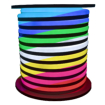 LED neon colours
  Artwork design
  RAL colour chart
  Pantone colour chart
  Series 641 – economy
  Altuglas coloured acrylic palette
  Two-layer plastic colour palette
  Useful articles about advertising